
Case Studies
Decolonizing Your Practice
SE Asians, Storytelling, & The American Caste System
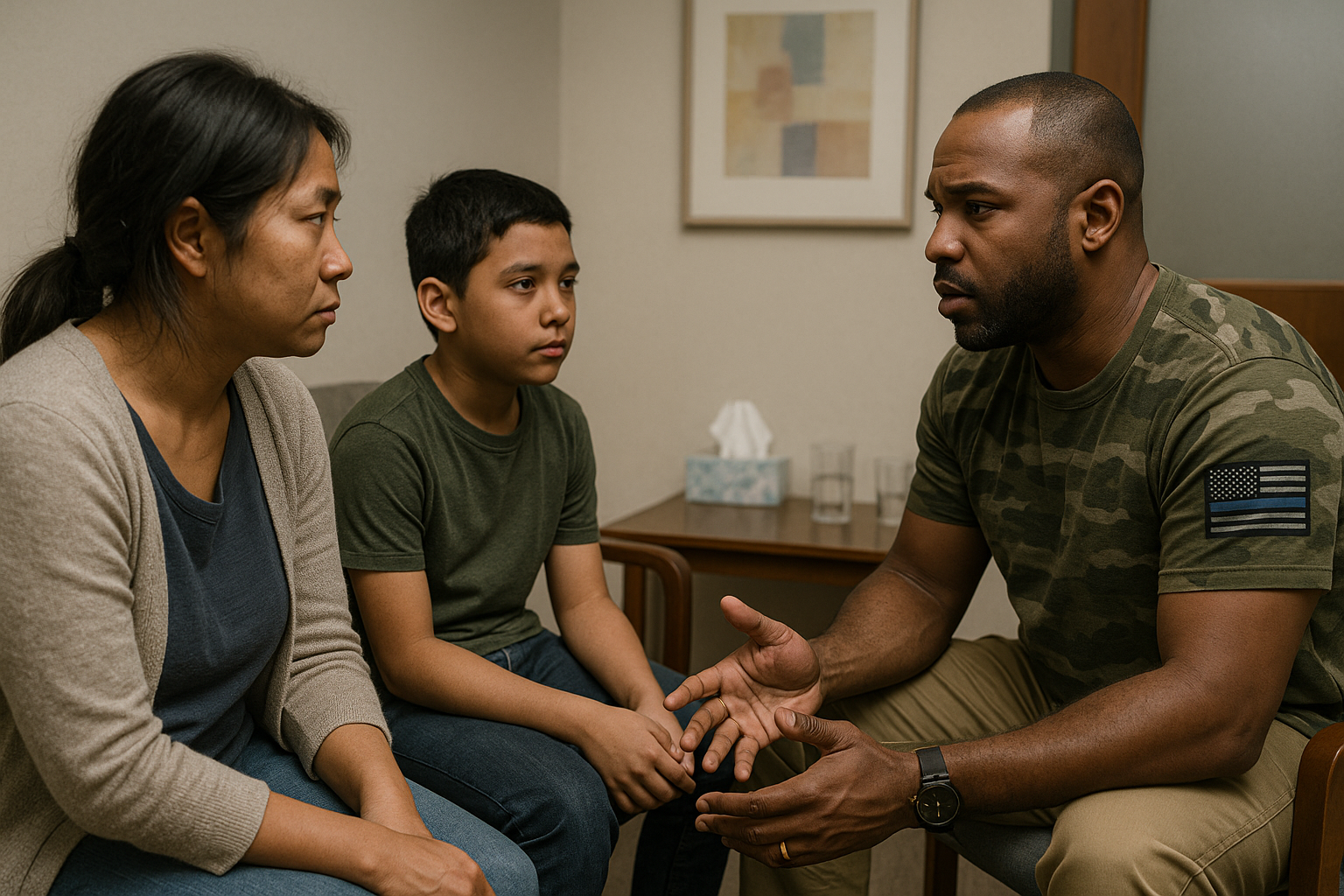
Case Study 1 -Family Therapy
Mya (she/her), 36, Burmese refugee, works two jobs; Carl (he/him), 35 husband is a U.S.-born Black veteran (met on dating website in 2013).
Intake was conducted in English only; front desk declined an interpreter “since her English is good enough.”
IC: 10-year-old, Rolan (AMAB) has school anxiety; teacher implies “parents need to be more involved.”
Clinic form defaults to “Mother/Father,” no language field.
Intake completed by intake team.
Click here for full Diagnostic Intake documentation.
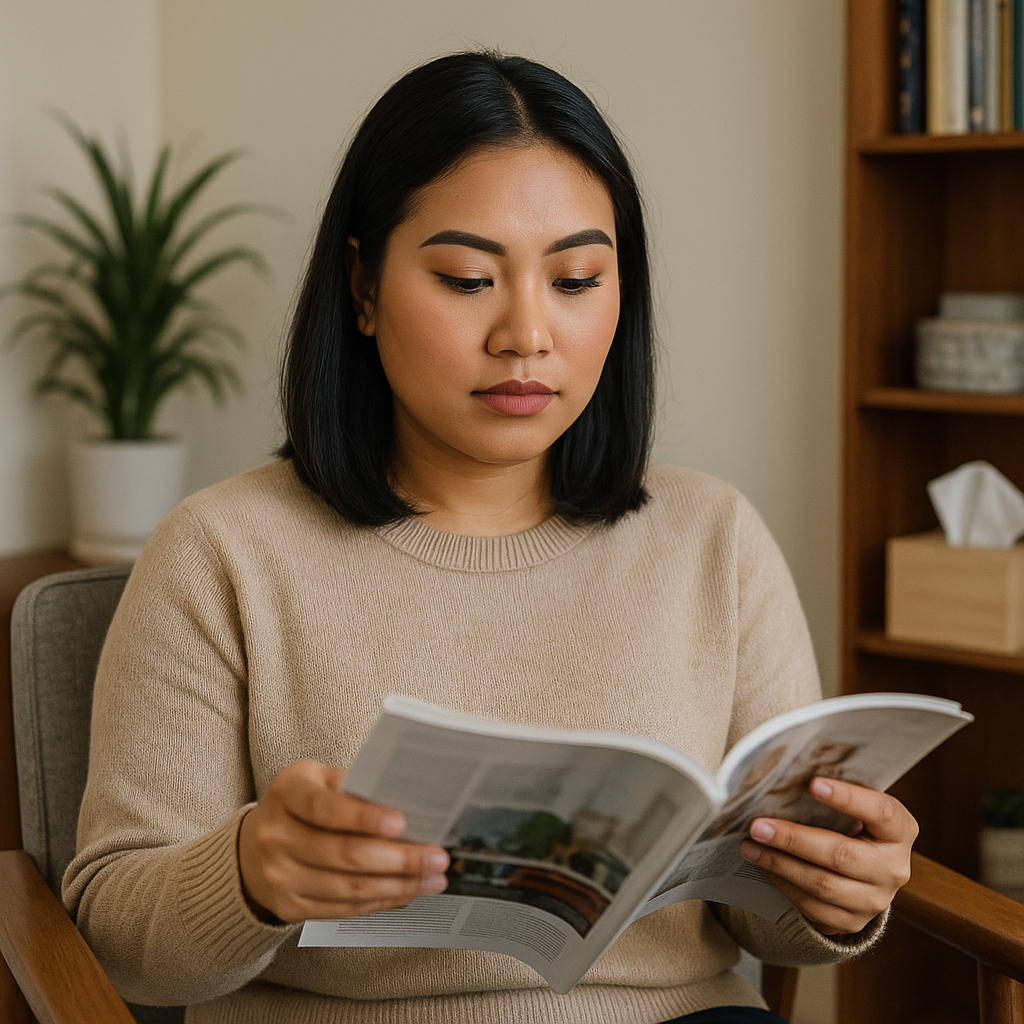
Case Study 2 -Individual Therapy
IC: Sophak (she/they), 27, 2nd gen., Khmer American, supports parents financially; has brother Dara (he/him), 24, came out as gay last year. Sophak sees her self as asexual.
Parents lean on Sophak for translation, bills, and caregiving; they minimize Dara’s depression—“He has too much freedom.” Sophak resents being “the good one,” yet feels guilty.
An auntie tells her to “keep family problems in the family and pray to the Lord.”
Intake completed by intake team.
Click here for full Diagnostic Intake documentation.
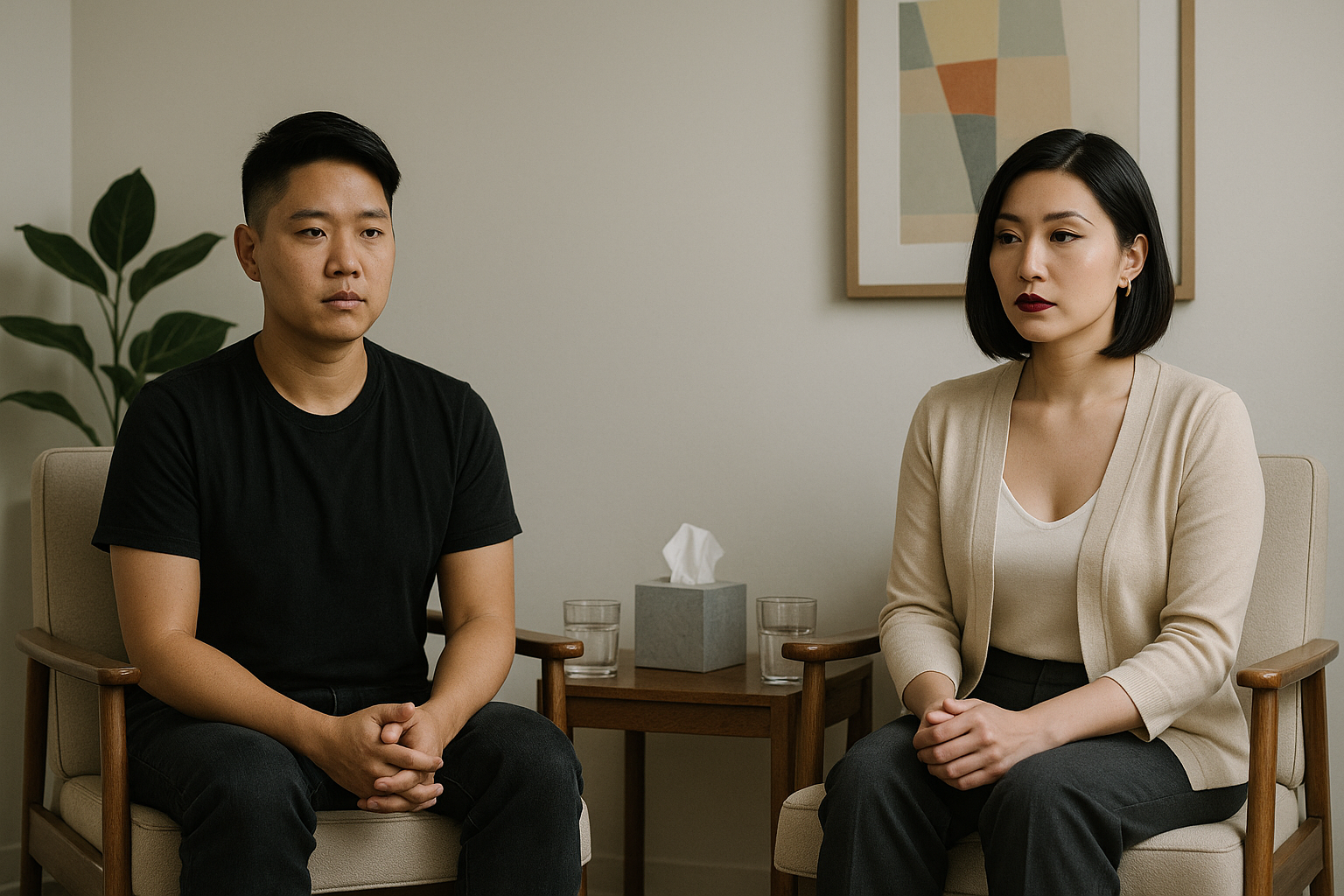
Case Study 3 -Couple Therapy
IC: Jay (they/them), 29, Hmong American, 3rd gen., nonbinary, works remote in as adult performer online.
Their partner, Maya (she/her), 31, Han-Chinese (on HB1 visa), discovered Jae has been using an AI companion app nightly to “practice talking about feelings” and “feel less alone.”
Jae also uses dating apps that rank “desirability”; they’ve noticed fewer matches after listing nonbinary. A co-ethnic friend who works at a major AI platform says, “It’s just the algorithm—optimize your profile.”
Jae feels ashamed but also calmer after AI chats. Maya feels betrayed and racialized by “algorithmic preferences.” They want guidance without “breaking up with tech.”
Intake completed by intake team.
Click here for full Diagnostic Intake documentation.